Digital libraries are everywhere now, from your pocket to your tablet to your browser, and they’ve really changed how I read, borrow, and stumble upon books. What started as major digitisation projects to save old manuscripts has turned into super handy apps, giving anyone with a library card free access to massive collections of ebooks, audiobooks, and more. If you’ve never tried a digital library or wondered how digital borrowing works, there are plenty of reasons to give it a shot. Here’s a closer look at how digital libraries grew, why they matter, and what you can do with them today.
What Is a Digital Library?
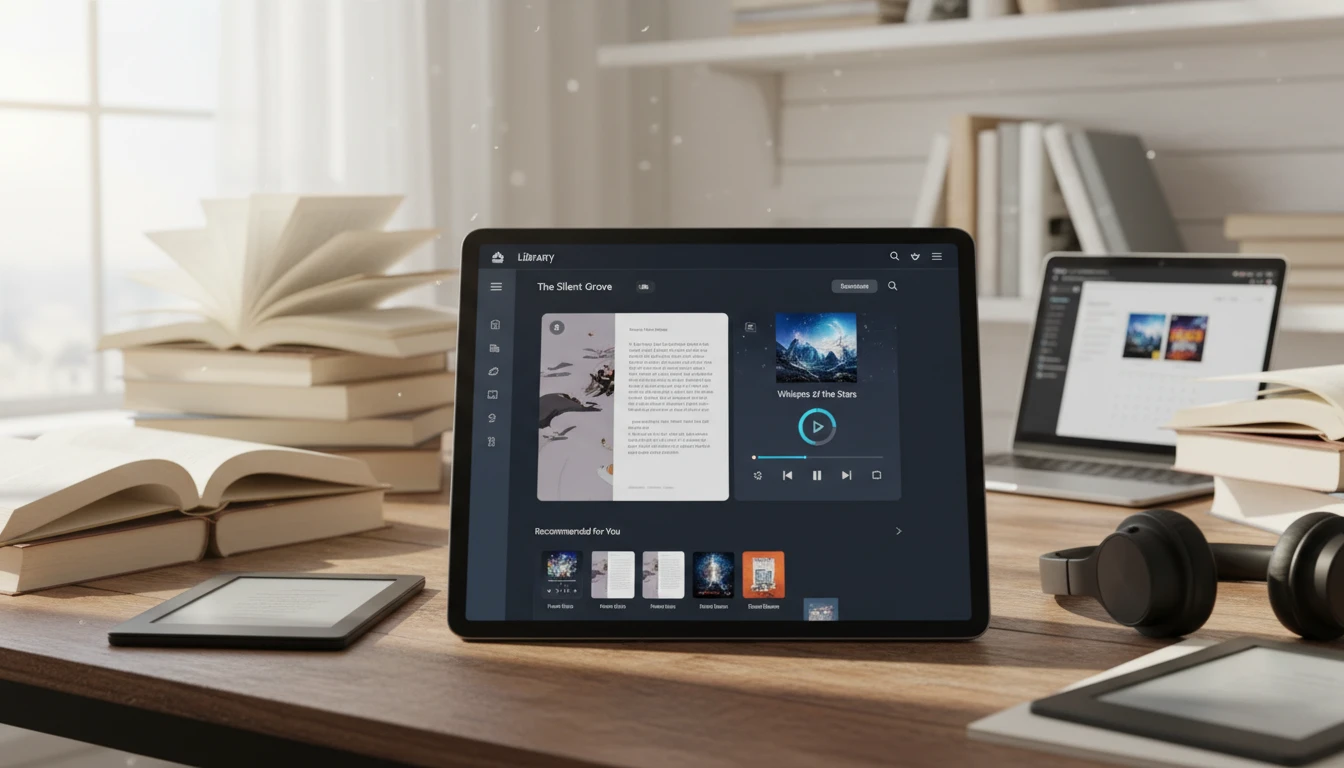
A digital library is essentially a collection of books, journals, and other media that can be accessed online instead of in person. It works similarly to a traditional library, but instead of pulling a book from a shelf, you download it to your device or stream it. Most public libraries now have a digital section powered by library lending platforms, such as Libby, Hoopla, BorrowBox, or CloudLibrary. All you need is a library card and internet access to get thousands of titles at your fingertips, anytime.
Digital libraries aren’t just public library apps either. Universities, museums, and even big tech companies have put out huge digital collections. OverDrive, for example, has teamed up with thousands of libraries worldwide to lend ebooks and audiobooks, while Project Gutenberg offers thousands of public domain titles for free, downloaded straight from the web. Whether you’re looking for a research paper or a romantic novel, there’s almost always something you can track down for free.
How Digital Libraries Evolved
The first digital libraries started as efforts to save print books, rare manuscripts, and newspapers. Back in the 1970s, Project Gutenberg began digitising classic books for public use. Early digital libraries were really just online databases; these worked for researchers but felt clunky for everyday readers.
As internet speeds improved and ereaders became more common, major public libraries jumped into digital lending programs. By the 2000s, services like OverDrive and, later, Libby made it possible to borrow ebooks just like physical books. You’d have digital checkouts, waitlists, and even returns. Now, with sleek mobile apps, you can borrow, download, and read or listen offline, all from your phone or tablet. That convenient setup has made digital library use grow fast every year, opening the door for even more innovation and cool features.
Many libraries have started to add extras like language learning tools, virtual reality experiences, and video streaming platforms. The digital library isn’t just about reading anymore; it’s also about exploring new technology and media. All of this makes digital libraries all-in-one resources for learning, discovery, and entertainment.
Big Benefits of Digital Libraries for Readers
Digital libraries make reading easier, cheaper, and more accessible for almost everyone. Here are the perks I notice most:
- Cost Savings: Membership is usually free with your local library card, so you don’t have to buy ebooks, audiobooks, or magazines.
- Anytime Access: Digital libraries never close. You can borrow a book at 2 a.m. if you want, or download one while travelling.
- Accessibility Features: Apps offer adjustable fonts, brightness, and colour schemes, plus read-aloud modes for people with vision challenges.
- Portability: My phone becomes my whole library, so I’m never caught waiting somewhere without something good to read or listen to.
- No Late Fees: Borrowed materials just disappear from your device when the lending period ends, so you never need to worry about late fees.
Tools like dyslexia-friendly fonts and the ability to change text size make these apps even more inclusive. It also means people who can’t easily get to a physical library—the elderly, busy parents, or those with mobility constraints—can keep reading without barriers.
Not only that, but parents can use digital libraries to track down picture books for their kids, students can access textbooks instantly, and people with limited space can keep thousands of titles without adding clutter. It’s all about giving readers options without limits or extra costs. Even newcomers quickly pick up on the benefits and rarely go back to old habits after experiencing the flexibility digital libraries offer.
How Digital Library Apps Work in Everyday Life
Getting started with a digital library is surprisingly easy. Here’s how it works in daily practice:
- Get a Library Card: If you don’t already have one, sign up at your local public library—even online. Most will approve your registration and send you a barcode or number.
- Download a Digital Library App: Install an app like Libby, Hoopla, or your library’s official app on your device. Some libraries have multiple options; mine offers both Libby and Hoopla.
- Sign In: Open the app and log in using your library card details. Some platforms let you link cards from several library systems, expanding your borrowing options.
- Browse or Search: Check out different categories, bestsellers, or new releases, or search for a specific title or author.
- Borrow or Place a Hold: Tap to borrow instantly or request a hold if the title’s checked out. Holds work a bit like physical waitlists, and you get a notification when your turn comes up.
- Read or Listen: Download your ebook or audiobook to your device, then read or listen offline anytime.
- Return (or Auto-Return): Tap to return early for the next reader, or let the app auto-return for you at the end of your loan period.
This process is pretty seamless, even for people who aren’t tech-savvy. I often suggest digital libraries for grandparents or friends who travel a lot; once your app is set up, it takes just seconds to borrow a new book. Kids can also use library apps with parental controls, making it a family-friendly way to boost everyone’s reading habits. Whether you use an old tablet or a brand new phone, you just need a library card to start reading right away.
Digital Libraries vs. Paid Ebook Subscription Services
Paid services like Kindle Unlimited, Audible, and Scribd are everywhere, so people sometimes wonder if they make libraries unnecessary. I use both, but they each offer different perks:
- Digital Libraries: Free with a library card, focus on a wide range of books, and include kids’ reads, magazines, comics, and more. Selection sometimes varies because of licensing limits.
- Paid Subscriptions: Usually provide instant access with no waitlists and often more availability for new releases or exclusives. You do pay a monthly fee, and some books are only available for purchase.
For me, these work well together. I grab bestsellers or hard-to-find genres on paid services, then use my library for classics, language learning audiobooks, and magazines. Digital library apps also expand what’s available without straining your book budget, and they’re a great way to try out a book before buying a copy. Some libraries are even adding perks like streaming movies and TV shows, cooking classes, and digital newspapers to give members more for free.
The Impact of Digital Libraries on Libraries and Future Reading Habits
With more people getting their books digitally, libraries are rethinking their spaces and services. Some have downsized print collections, creating room for study spaces, kids’ zones, workshops, and technology labs. Physical libraries are turning into community hangouts rather than just storage rooms for books.
This digital switch-up also changes how people read. There’s more focus on blended reading, with ebooks, audiobooks, and print all fitting together. Hybrid events like virtual author talks, online book clubs, and “click and collect” book pickups have become a bigger part of library life. For readers, it’s all about mixing options to match a busy or mobile lifestyle.
It’s worth noting that librarians are still really important. They curate new digital titles, offer help with tech questions, and help people track down not just any book, but the right book. They also work to keep digital collections diverse and accessible, speaking up for fair pricing and privacy for users.
The rise of digital libraries has even inspired libraries to run digital skills classes, where you can learn about everything from creative writing to coding. Libraries now let people borrow wifi hotspots and tablets along with books. This digital inclusion effort lifts up whole communities by making sure everyone can get online and stay connected.
Common Questions About Digital Libraries
I get a lot of questions from friends who are new to digital libraries. Here are some answers to the ones I hear most:
Question: Can I get a digital library card even if I don’t live near a branch?
Answer: Many libraries now give out online-only cards to residents, so you won’t need to visit in person. Some state libraries even let anyone in the region sign up for digital-only access—check with your local library for their rules.
Question: What devices support digital library apps?
Answer: Most digital libraries work with iOS and Android phones and tablets, plus ereaders like Kobo. Kindle support depends on your region and library system, but the Libby app lets you send some books to Kindle in the U.S.
Question: Are all books available with no waits?
Answer: Not always. Like print libraries, digital ones have a limited number of “copies” to lend out at once, depending on publisher agreements. If a popular title is checked out, you can usually place a hold and get notified when your turn is up.
Digital Libraries. Shaping How We Read
Digital libraries have transformed reading by making it easier, more affordable, and way more flexible for almost anyone with a device. They’ve helped libraries glow up from quiet buildings to active, hybrid community centres with more ways to connect readers to stories. No matter what you love to read or how frantic your schedule is, it’s worth checking out your digital library options. They’re free, easy to use, and packed with hidden gems that can keep your reading list full all year long.

This is a very informational and, I am certain, very popular topic on “reading materials”, Marios. You mentioned, “Physical libraries are turning into community hangouts rather than storage rooms for books.” So, do you think there may come a day when there are only digital libraries, even though librarians are still very necessary? Will digital libraries, at some point in time, have the potential of managing the issue of “limited copies”? Thank you for a very interesting and insightful article.
Best wishes,
Kent
Kent, thank you.
I see a durable hybrid future. Buildings stay because libraries are community spaces for learning, programs, and help, while digital access keeps growing. Librarians remain essential for curation, digital literacy, and equitable access.
On “limited copies,” most ebooks use licensing models that mimic scarcity, such as one copy one user, metered or time-limited access, and higher institutional pricing. We are seeing more flexible terms emerge, like simultaneous-use windows, and more open-access and public-domain projects that remove limits entirely. The direction is clearer access, but policy and publisher contracts will set the pace.
Marios
Reading this I was just wondering if these digital libraries were available worldwide? The reason I ask is because all of our public libraries have closed down since COVID, so how would one get a library card. Is there somewhere online we can get one?
I think digital libraries are definitely the future of reading. I still prefer the feeling of holding a physical book, but I think we are going to all move onto digital in the future, so we will need to get used to it.
Michel, thank you.
Availability is country by country, but many systems now offer digital-only cards online.
If your local branches have closed, try this path. Search for your nearest public library system or a regional or national library. Look for an online registration page for an eCard or digital card. Most ask for proof of residence and give you a card number by email. Use that number to sign in to Libby, BorrowBox, or Hoopla.
If you are outside any service area, check for nonresident cards. Some large libraries sell remote memberships that include digital access. When none of these fit, you still have legal free options such as Project Gutenberg, Standard Ebooks, and public domain collections.
Print and digital can live together, but a digital card keeps books reachable when buildings are not.
Marios
Oddly today many of us just take digital libraries for granted, we don’t often even think about them not existing at one time in our lives.
There are many benefits as you have listed using digital libraries, You can’t beat that they are usually free not costing us anything to use, then there still are those who prefer subscsriptions instead for the new releases and excusives not avaliable in digital libraries.
Digital libraries are an easy method to get the books you desire to read withoiut a subscsription fee, so will more people be taking advantage of these libraries instead of subscriptions in the future we will have to wait and see.
Jeff
Jeff, thank you. You are right that digital libraries have become part of the background for many of us. The trend I see is a steady hybrid. Libraries cover most casual reading because they are free and easy, while subscriptions serve high-volume readers and those chasing new releases or exclusives. As both catalogues grow, more people mix the two rather than replace one with the other.
Marios
I really liked how you explained that digital libraries work similarly to traditional ones but through apps like Libby or Hoopla. The comparison made it easier to understand how the borrowing process works online. I’m curious though — do you think beginners should start with one app first, or try several to see which library collection fits them best? I’m still figuring out which option would be easiest to use.
Irina, thank you.
Start with one app first, usually Libby if your library supports it, because the interface is beginner-friendly and the borrowing flow is simple. After you are comfortable, add a second app only if your library offers it and you want a wider catalogue or more audiobooks. The main difference between apps is what your library subscribes to, so your library card will decide what is available.
M.
Marios, I feel I know you already. You love books and so do I. Actually, not just real bound books, but all books, even digital ones. I read all the time. Reading has been a big part of my life, and I’m now 72 years old. Of course, for many years I read real (hard copy and paperback books) books. I collected them too. At one point, my husband told me half the weight of our home was in my books – he was right. But then I found digital books and ereaders. It took me a while, but now my house isn’t weighed down with books; I literally have thousands of ebooks. I used a Kindle ereader for years, but more recently I’ve used my cell phone and the Kindle app. I love it. I have a larger-screen iPhone, and I can choose the print size (important for my older eyes). I can borrow from the local library, and I’ve chosen to subscribe to Amazon Prime and Amazon Unlimited (which lets me read free ebooks and try out new authors). I’m handicapped in my old age and in a wheelchair, so I’m physically limited in what I can do now. No more sports, coaching teams, working as a computer specialist, traveling to new places, or even walking outside. But I can read about sports, coaching, and beautiful, exciting places. I read at least one book every day. I enjoyed checking out your blog site and I love the name “Everything about Ebooks”. -Shirley
Shirley, thank you for sharing this. Your comment has a lot of heart and a lot of truth.
You adapted without giving up what you love. You moved from shelves that filled a home to a library that fits in your hand. That is not a downgrade. That is smart evolution.
I also love how you built a simple system that works with your life today. Bigger screen iPhone, adjustable print, library borrowing, and subscriptions for discovery. That is reading with zero friction.
Most of all, I respect the way you use books. You did not lose the world. You changed how you reach it. Reading about sports, coaching, and places you cannot visit right now still feeds the part of you that cares.
Thank you for the kind words about the site name. I am glad you found your way here, and I am glad you are still reading every day.
M.